How to Automatically Find Ecommerce SEO Opportunities Using GSC
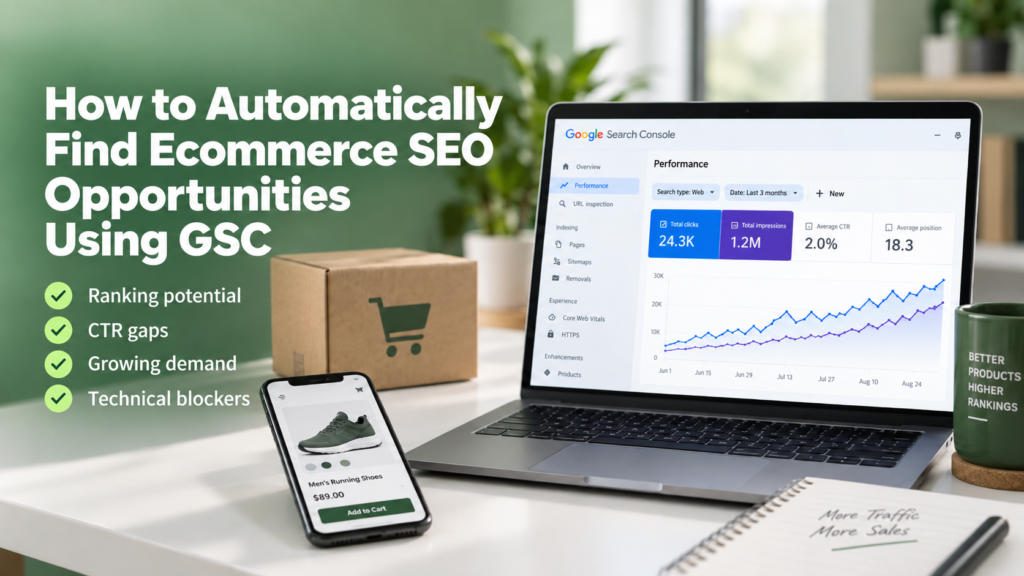
Google Search Console can tell you where your ecommerce store is already close to earning more organic traffic. The problem is not finding more data. The problem is finding the queries, categories, products, and technical issues worth acting on first. A useful GSC workflow should automatically surface pages with ranking potential, weak click-through rates, growing […]
Build an Automated Ecommerce Technical SEO Audit Workflow With n8n
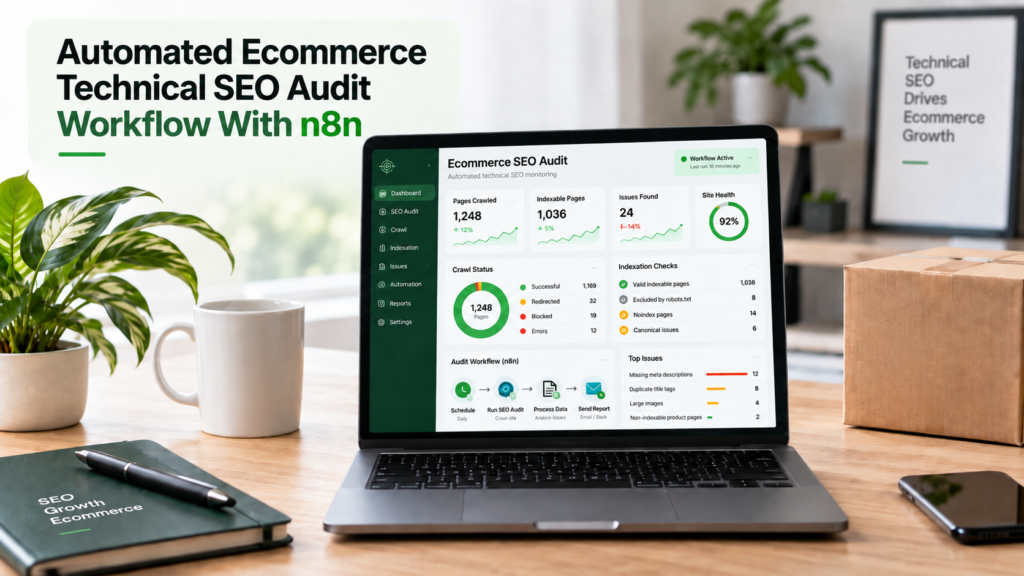
Running a technical SEO audit once can uncover serious problems. The harder part is finding new issues before they affect hundreds or thousands of ecommerce URLs. That is where an automated ecommerce technical SEO audit workflow becomes useful. With n8n, Screaming Frog, Google Search Console, PageSpeed Insights, Google Sheets, and simple alert rules, you can […]
Best Robots.txt Testing Tools for Ecommerce SEO
A robots.txt file can look correct and still create major ecommerce SEO problems. One incorrect rule can block product pages, category pages, product images, JavaScript resources, or valuable filtered pages. At the same time, weak rules can allow crawlers to spend resources on internal search, cart URLs, account pages, tracking parameters, and endless filter combinations. […]
Best Tools to Monitor Core Web Vitals for Ecommerce
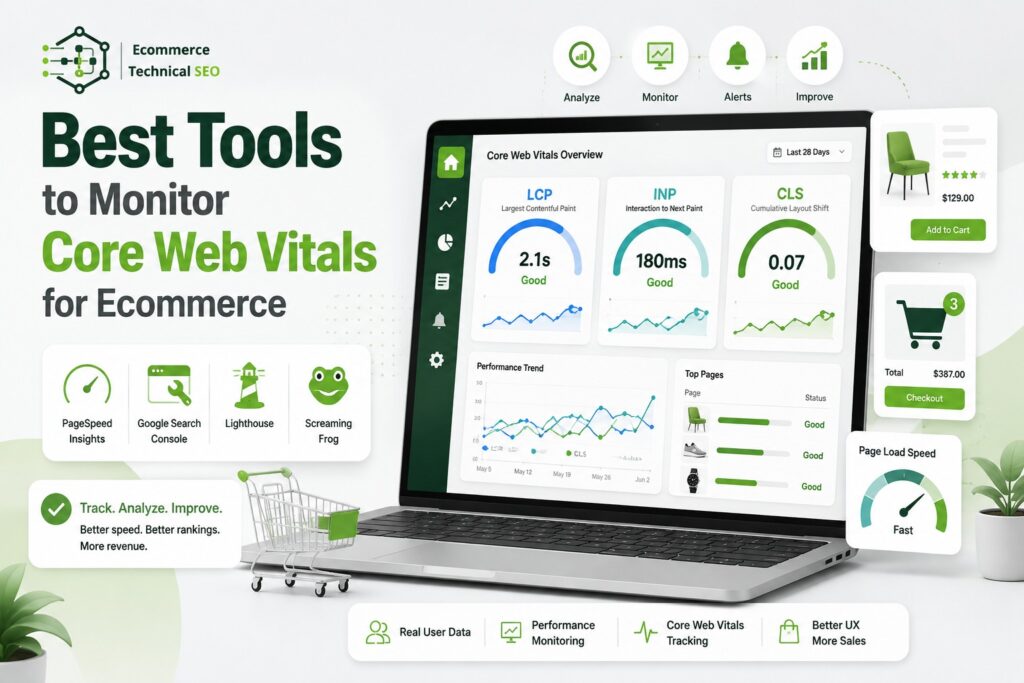
Core Web Vitals monitoring for ecommerce is not a one-tool job. A store may look fast in a lab test while real mobile shoppers still experience slow product images, delayed filters, unstable banners, or laggy add-to-cart interactions. The best setup combines field data, page-level diagnostics, sitewide crawling, and ongoing monitoring. This helps teams find problems, […]
Ahrefs vs Semrush for Ecommerce SEO: Which Tool Is Better?
Ahrefs and Semrush are both strong ecommerce SEO platforms, but they solve different problems better. Ahrefs is usually stronger for backlink research, competitor discovery, organic opportunity analysis, and fast SEO investigation. Semrush is often stronger for structured keyword planning, daily rank tracking, integrated reporting, and broader campaign workflows. For ecommerce stores, the better choice depends […]
How to Improve Crawl Depth for Important Product Pages
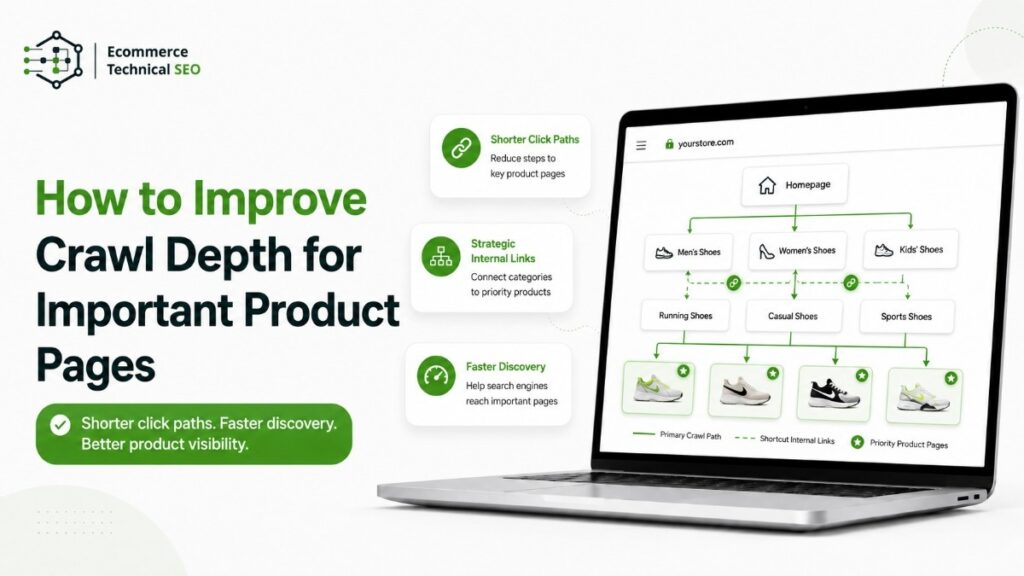
Important ecommerce product pages should not be buried behind long navigation paths. When a high-value product requires several clicks to reach, search engines may have fewer direct internal paths to discover it. The page may also receive weaker internal link signals than products connected to major categories, navigation elements, and relevant product pages. Improving crawl […]
How Internal Linking Helps Ecommerce Category Pages Rank
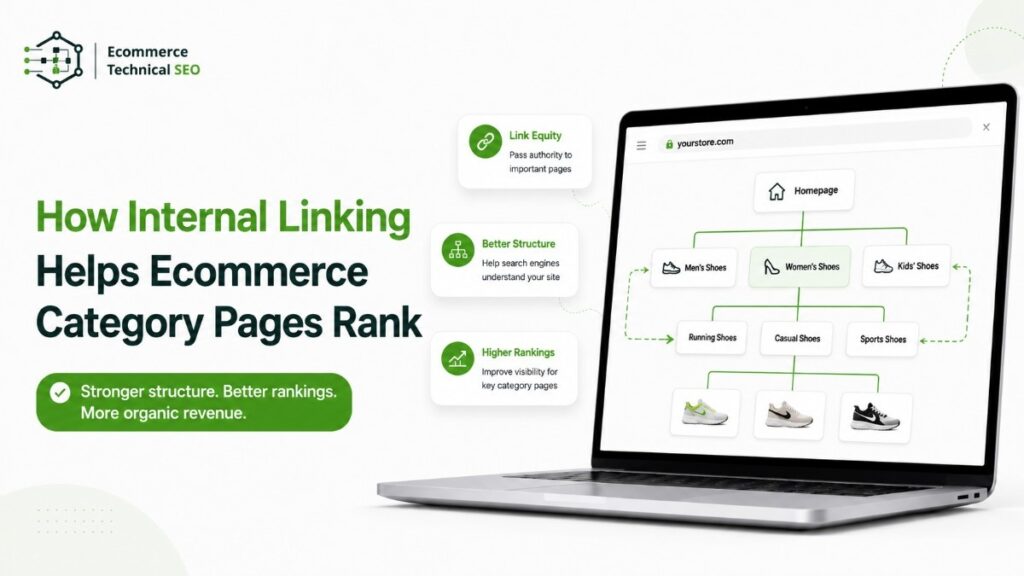
Ecommerce category pages often target the most valuable commercial searches on a store. Queries such as “men’s running shoes,” “oak dining tables,” or “organic skincare products” usually show stronger purchase intent than broad informational searches. However, many category pages receive fewer internal links than blog posts, product pages, and promotional landing pages. This weakens their […]
How to Use Screaming Frog to Audit an Ecommerce Website
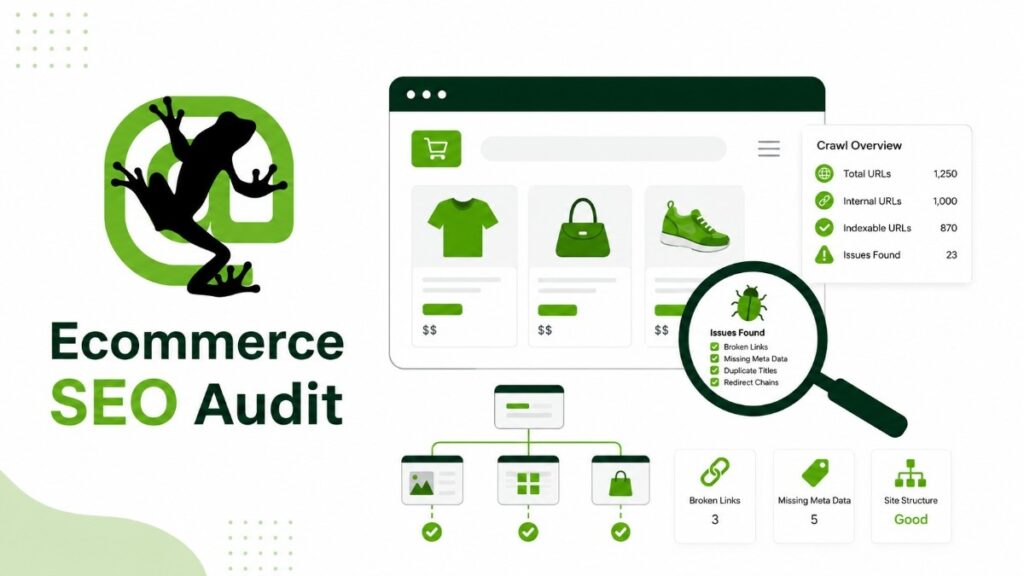
We use Screaming Frog SEO Spider as a way to see an ecommerce site the same way Google does. It lets us step inside the crawl process and understand what search engines actually encounter when they move through your store. When we run a crawl, we’re not just collecting data. We’re mapping how your category […]
How to Get Ecommerce Products Mentioned in Google AI Overviews
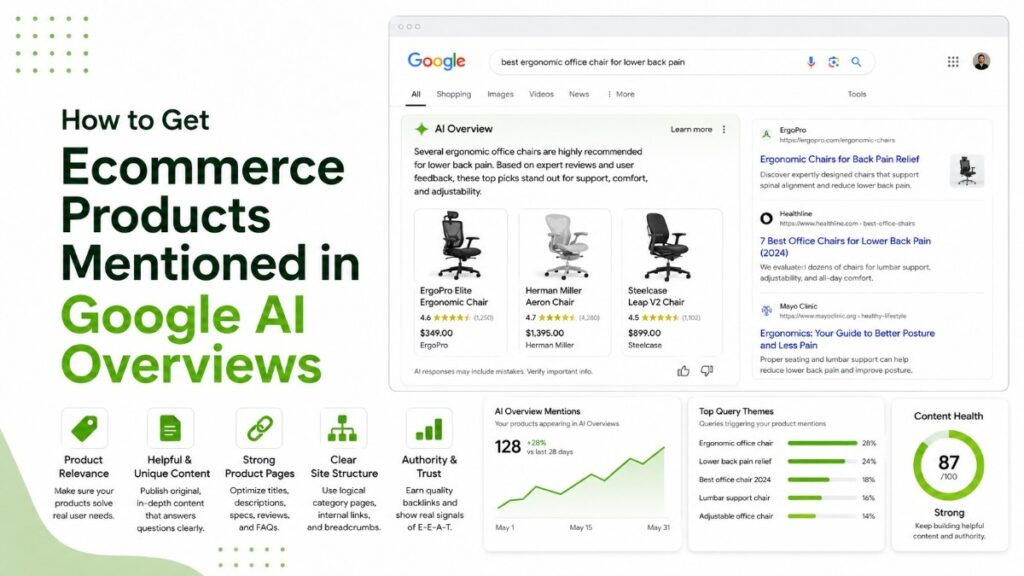
Google AI Overview list products. A mention may appear as a recommendation, cited source, comparison option, or shopping result connected to an AI-generated answer. There is no guaranteed method or special “AI Overview schema.” Google says eligible pages must be indexed, allowed to show a Search snippet, and built around established SEO practices. Your advantage […]
How Google Crawls Ecommerce Websites
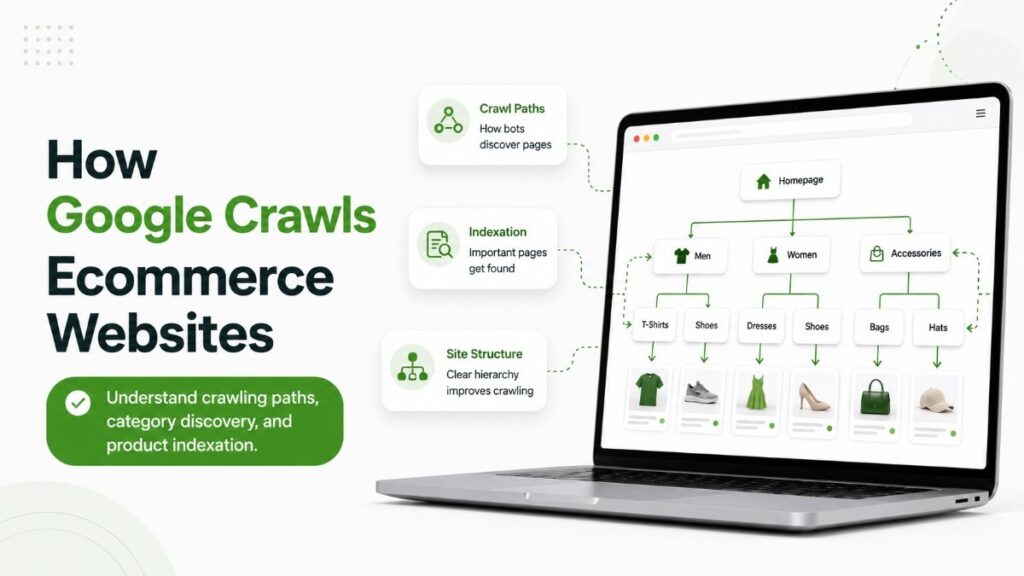
Ecommerce crawling is the process Google uses to discover store URLs, request pages, render content, follow links, and decide which URLs may move forward for indexing. Ecommerce sites are harder to crawl because products, variants, filters, pagination, search results, and tracking parameters can create thousands of URLs. A strong crawl setup helps Google reach valuable […]