Technical SEO Built To Improve Store Visibility, Crawl Efficiency & Revenue
Specialist technical SEO for ecommerce brands on WordPress, Shopify, Wix, Squarespace, Framer, and Webflow. Clear audits, cleaner architecture, stronger indexing, and better page performance.
Fix technical SEO debt that blocks product and category visibility
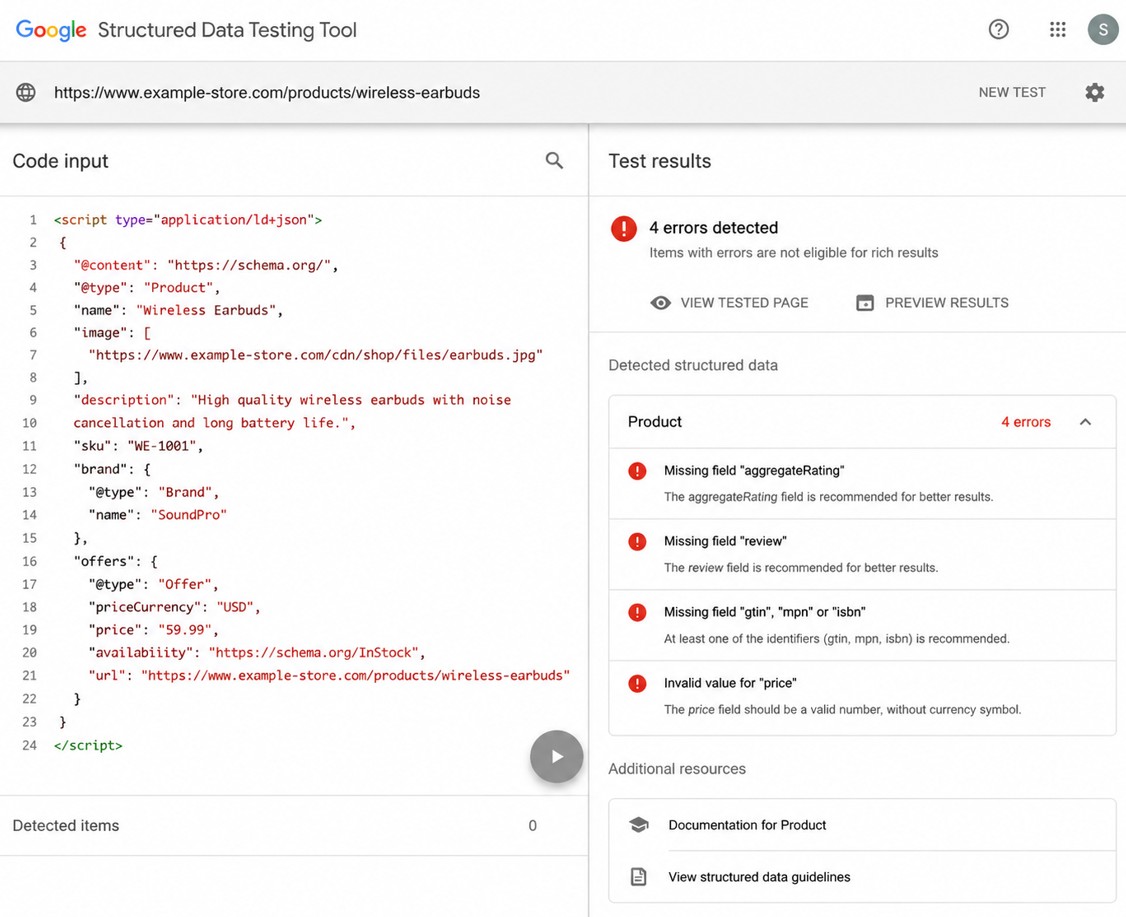
Improve crawling, indexing, page speed, internal linking, and structured data
Built for ecommerce stores, not generic SEO retainers
Use review cards to reinforce credibility without making the homepage heavy.
Scaled our organic revenue faster than expected
The technical SEO work uncovered issues we didn’t even know existed. Within a few months, we saw a significant lift in category rankings and organic revenue. The recommendations were clear, prioritized, and easy for our team to implement.
We struggled for years with indexing and crawl problems. The audit broke everything down in a way that made sense, and the fixes delivered immediate improvements. Traffic is up, but more importantly, conversions improved too.
This wasn’t just theory, every recommendation tied directly to business results. Our product and collection pages now rank much better, and we’ve seen a noticeable increase in qualified traffic that actually converts.
The audit and implementation plan clarified exactly what was stopping our collection pages from ranking. The fixes were practical and tied directly to revenue impact.
Ecommerce technical SEO focuses on optimizing your website’s structure, speed, and backend so search engines can properly crawl, index, and rank your product and category pages.
Do you only work on ecommerce technical SEO?
Yes.our primary focus is ecommerce technical SEO.
We specialize in fixing complex technical issues for online stores, including indexing, crawlability, site structure, and performance.
Do you provide ongoing SEO support?
Yes. Ongoing monitoring ensures:
New errors are fixed
Indexing remains stable
Performance continues improving
Do you fix issues from tools like Semrush or Screaming Frog?
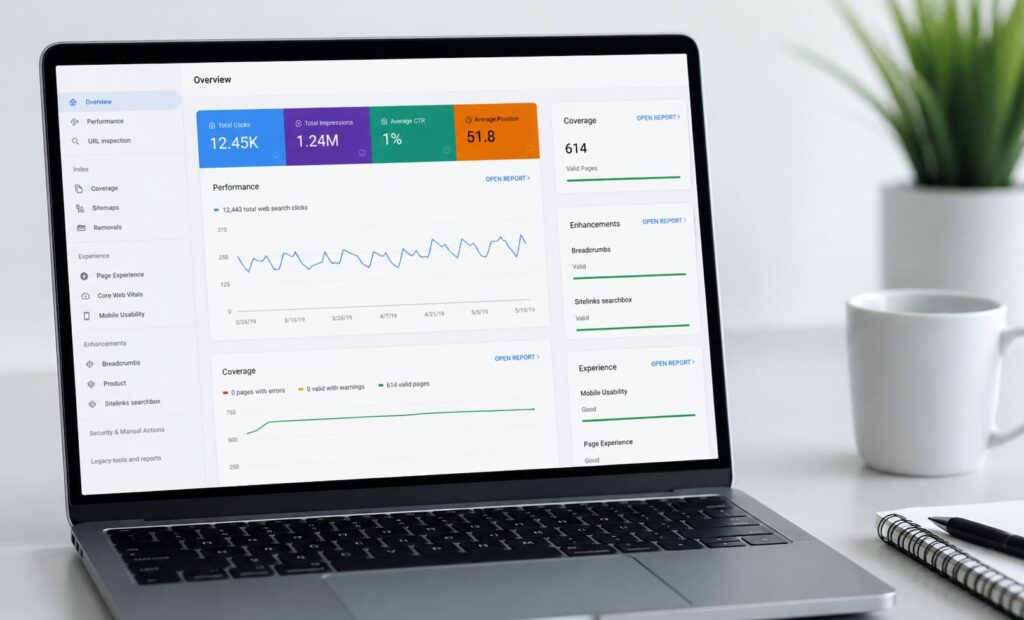
Yes. All technical issues identified in tools like Semrush, Screaming Frog, and Google Search Console are analyzed and fixed,but the focus is on improving real SEO performance, not just tool scores.
Will technical SEO increase my sales?
Yes,by improving:
,Rankings
,Organic traffic
,User experience
.Technical SEO ensures your store is visible and fast, which directly impacts conversions.
Do you fix issues from tools like Semrush or Screaming Frog?
Yes. All technical issues identified in tools like Semrush, Screaming Frog, and Google Search Console are analyzed and fixed—but the focus is on improving real SEO performance, not just tool scores.
Do you offer SEO consultancy or just implementation?
Yes. We offer both consultancy and hands-on implementation. You can get expert guidance, a detailed action plan, or full technical execution depending on your needs.
How much does ecommerce technical SEO cost?
Pricing depends on your site size, complexity, and issues. After reviewing your site, we provide a custom quote based on required work.
Do you guarantee rankings or traffic?
No one can guarantee rankings, but we focus on fixing critical technical issues that significantly improve your chances of higher rankings and traffic.
What access do you need to start work?
Typically:
Google Search Console,
Google Analytics,
CMS (Shopify, WordPress, etc.)
Optional: hosting or staging access