Get a detailed diagnosis of traffic drops, manual actions, algorithm update impacts, content quality issues, technical SEO problems, and backlink risks affecting your organic visibility.
There are clear signs that your ecommerce website may have technical SEO problems. When these appear, content updates or link building alone usually will not fix the issue.
A core update may reduce visibility if competitors better satisfy search intent, content depth, authority, or user experience.
Manual actions require specific cleanup, documentation, and reconsideration steps before recovery is possible.
Thin, outdated, duplicated, AI-heavy, or low-value content may weaken the overall quality signals of the site.
Toxic backlinks, manipulative link patterns, or negative SEO concerns may need investigation and cleanup.
Crawl issues, indexation problems, canonical errors, speed issues, and weak internal linking can make recovery harder.
Deleting content, disavowing links, or changing pages without diagnosis can make recovery slower or worse.
Each recovery case is different. We first diagnose the cause of traffic loss, then recommend the right recovery path based on issue type, affected pages, update timing, and site condition.
Complete diagnosis and recovery support for manual actions and penalty-related issues.
Recovery planning for websites impacted by content quality, usefulness, and search intent issues.
Complete diagnosis and recovery support for manual actions and link-related penalties.
Roadmap for Every Website
If rankings or organic traffic dropped suddenly, the first step is to identify whether the issue is algorithmic, manual, technical, content-related, or link-related.
Your rankings or clicks declined shortly after a known Google update or ranking system change.
Product, category, service, or content pages that previously ranked are no longer visible.
You keep editing or publishing content, but rankings continue to stay flat or decline.
Google Search Console shows a manual action that requires cleanup and reconsideration.
Pages are still indexed, but impressions, clicks, and average positions are declining.
You see unusual links, spammy referring domains, negative SEO signs, or a history of aggressive link building.
Recovery requires diagnosis first. This process is designed to find the root cause, prioritize the right fixes, implement improvements, and monitor whether Google responds over time.
Google Search Console review, traffic drop analysis, update correlation, competitor SERP comparison, content quality assessment, technical SEO crawl, and backlink risk evaluation.
Root cause identification, prioritized fix roadmap, resource planning, realistic timeline projection, and clear success metric definition.
Content improvement or removal recommendations, technical fix deployment, link cleanup planning, on-page optimization, schema improvements, and user experience enhancements.
Ranking tracking, Google Search Console monitoring, crawl error review, traffic trend analysis, and strategy refinement based on early signals.
Traffic restoration review, ranking stability checks, preventive recommendations, future-proofing guidance, and follow-up health checks.
Recovery work should be measurable. This section shows how traffic loss, affected pages, technical issues, content quality gaps, and recovery progress can be documented before and after.
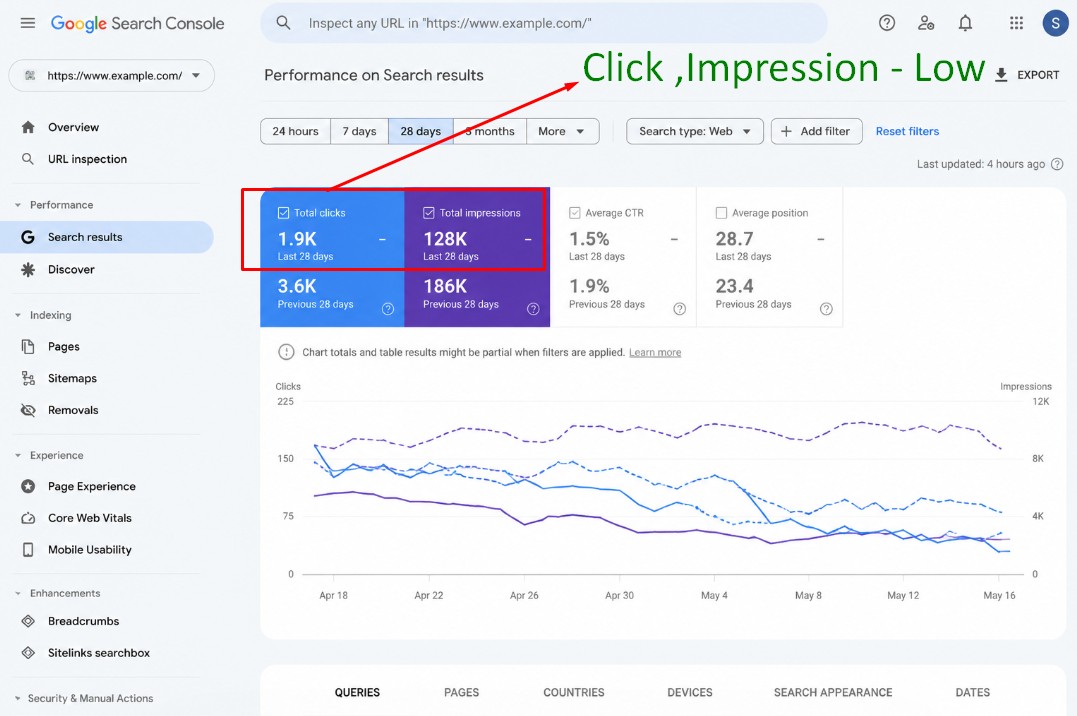
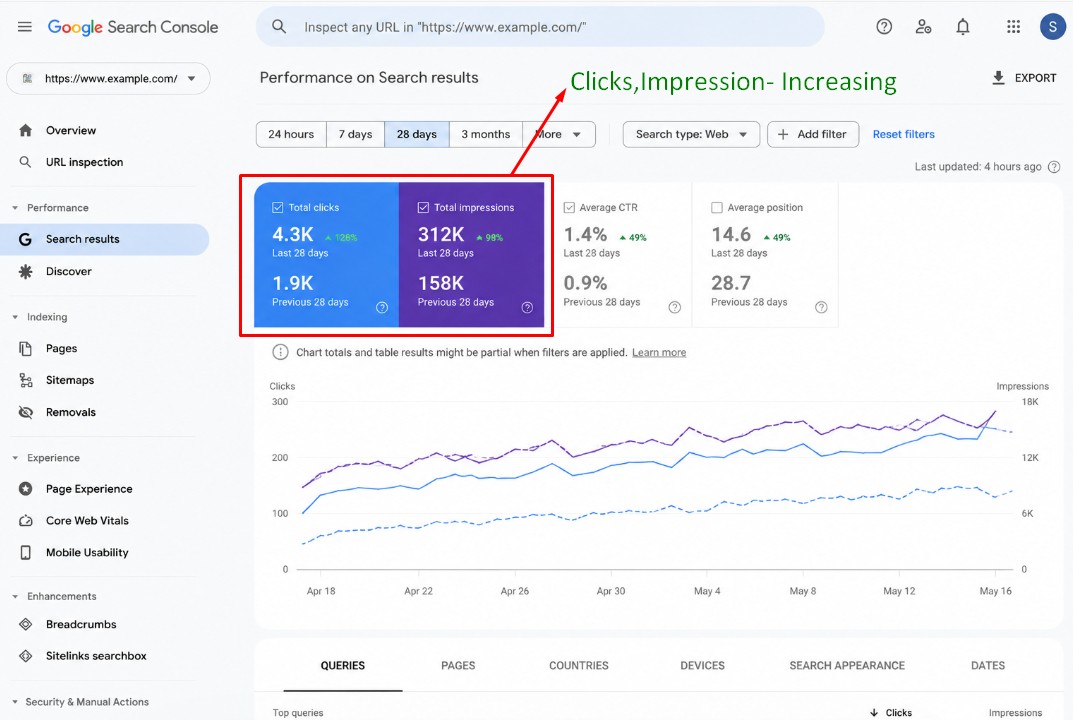
Recovery is not instant or guaranteed, but the right diagnosis and fixes can create a stronger foundation for regaining visibility.
Understand whether the traffic loss is technical, content-related, link-related, manual, or algorithmic.
Improve weak, outdated, duplicated, or misaligned content that may reduce sitewide quality.
Fix crawlability, indexation, internal linking, schema, speed, and page experience issues.
Identify suspicious backlink patterns and prepare cleanup or disavow recommendations where appropriate.
Stop guessing and follow a prioritized action plan based on actual evidence.
Track whether Google responds to improvements through rankings, clicks, impressions, and indexed pages.
Google penalty and algorithm recovery cannot be guaranteed in a fixed number of days. Some websites recover quickly after technical or manual-action fixes, while others require content improvements, authority building, crawl improvements, and multiple Google recrawling or update cycles. The goal is to identify the real cause, fix what is within your control, and monitor measurable recovery signals.
Google penalty recovery is the process of diagnosing and resolving issues that caused visibility loss due to manual actions, spam signals, link issues, content quality problems, or algorithmic changes.
No. A manual penalty appears in Google Search Console as a manual action. An algorithmic traffic drop usually happens after ranking system changes and does not show as a manual action.
No. Recovery depends on the cause, severity, competition, website quality, implementation speed, and how Google reprocesses the site.
Some issues can improve within weeks, while deeper content, trust, link, or algorithmic issues can take months or multiple update cycles.
Yes. Backlink risk can be reviewed, toxic patterns can be identified, and disavow recommendations can be prepared where appropriate.